
Behind the Scenes of a Grand Wedding: Managing Large-Scale Staging and Event Logistics
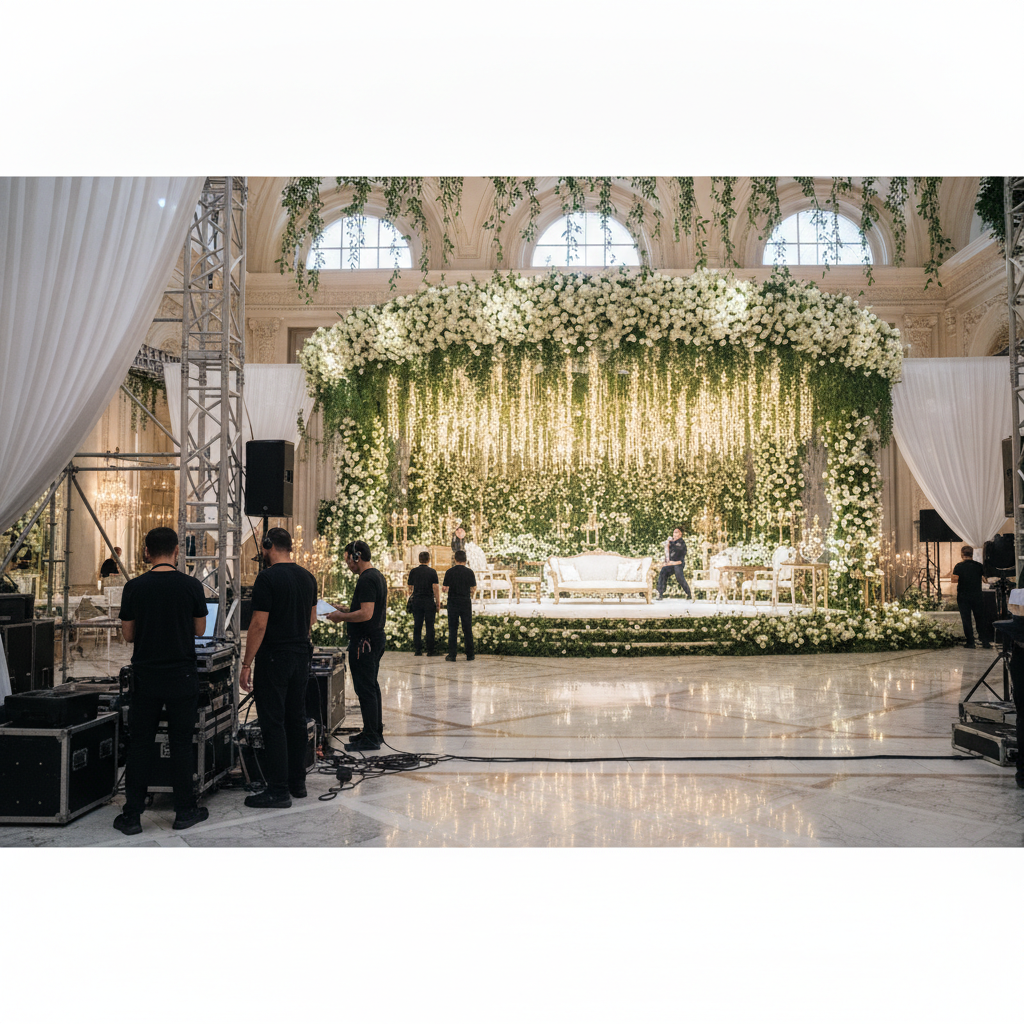
When you walk into a beautifully decorated boutique event venue here in Toronto, you are immediately swept up in the romance and elegance of the space. The twinkling lights, the massive floral installations, and the pristine dance floor all look completely effortless. However, creating that effortless magic requires a monumental amount of behind-the-scenes work. For grand weddings and large-scale corporate events, the logistics involved are nothing short of a major industrial operation. Before the first guest even arrives, teams of professionals are coordinating massive deliveries, building custom stages, and setting up industrial-sized generators. In fact, managing these oversized elements often means event planners find themselves searching for reliable equipment hauling nearby just to get the foundational pieces safely to the venue.
The Hidden Framework of a Fairy Tale Wedding
Every spectacular event starts with a raw space and a grand vision. Transforming that vision into reality requires a hidden framework of staging, rigging, and structural support that guests will never actually see. When a couple dreams of a multi-tiered bandstand or a custom-built clear marquee tent under the stars, they are essentially asking for a temporary building to be constructed in a matter of days. This requires moving tons of raw materials, from heavy steel trusses to modular flooring systems, all before the decorative elements can even be considered.
The sheer volume of materials required for a large-scale wedding is staggering. A standard grand setup might involve multiple transport trucks delivering staging decks, lighting rigs, and heavy audio-visual equipment. Each of these components must be carefully unloaded, inventoried, and assembled in a highly specific order. If the flooring team is delayed, the lighting team cannot bring in their heavy lifts, which in turn delays the florists and decorators. It is a massive, high-stakes puzzle where every single piece must fit perfectly into place.
Because of this complex dependency, timing and coordination form the absolute backbone of event success. Professional production managers spend months developing detailed floor plans and delivery schedules to ensure a smooth build out. They must account for the physical limitations of the venue, such as loading dock sizes, elevator capacities, and noise restrictions, all while keeping the massive influx of heavy materials flowing seamlessly into the event space.
Coordinating Heavy Equipment and Grand Installations
The modern trend of mega-weddings has pushed the boundaries of what is possible in event design. Couples are no longer satisfied with standard ballroom setups; they want immersive experiences. This often involves bringing in massive architectural elements, such as life-sized enchanted forest props, gigantic LED video walls, or custom glass dance floors built over existing pools. Installing these jaw-dropping features requires serious heavy machinery that you would typically expect to see on a construction site, rather than at a romantic celebration.
To safely maneuver these massive installations, production teams frequently rely on forklifts, scissor lifts, and telehandlers. Additionally, the power requirements for a grand wedding are enormous. Between the catering kitchen, the live band, and the extensive lighting design, standard venue power is rarely sufficient. This means hauling in massive, industrial-grade generators and heavy climate control units to keep the space comfortable. Coordinating the arrival and placement of this heavy machinery is a delicate dance that requires expert precision.
Managing this heavy equipment also means navigating strict safety protocols. Venues must protect their existing infrastructure, ensuring that heavy machinery does not crack pavement, damage landscaping, or scratch polished floors. Protective matting must be laid down, and operators must carefully navigate tight corners and narrow access roads. The coordination of this heavy equipment is a testament to the skill and dedication of the logistics teams who work tirelessly in the background.
Why Professional Logistics Make or Break the Event
Moving a few chairs and tables is one thing, but transporting a massive custom-built stage or a fleet of industrial generators requires specialized expertise. This is where professional transportation companies step in to save the day. If a truck carrying the main structural trusses is delayed, the entire production schedule falls apart. Event planners simply cannot afford to take risks with unproven transport services when dealing with oversized, high-value event infrastructure.
For those massive logistical challenges, relying on a dedicated heavy transport team is absolutely essential. Whether you are moving massive structural components for a destination event or bringing in specialized heavy machinery to build a temporary venue from the ground up, you need a team that understands oversized loads. We highly recommend reaching out to Freedom Heavy Haul for these complex transportation needs. They have the fleet, the experience, and the dedication required to ensure your most critical event infrastructure arrives safely and on time.
Working with a top-tier hauling company removes the stress of transportation logistics from the event planner’s plate. Instead of worrying about route planning, weight restrictions, or equipment safety, the production team can focus entirely on designing a breathtaking experience for the guests. When the heavy lifting is handled by true professionals, the rest of the event setup can proceed with confidence and efficiency.
Mastering the Timeline: From Load-In to Strike
The lifecycle of a grand wedding production is divided into three distinct phases, beginning with the critical “load-in” period. This is when the venue transforms from a quiet space into a bustling hub of activity. During load-in, dozens of vendors arrive in a carefully choreographed sequence. The heavy infrastructure comes first, followed by lighting and sound, and finally, the delicate florals and tabletop rentals. A strict timeline is enforced by a dedicated logistics manager who directs traffic and ensures no one is stepping on each other’s toes.
Once the event begins, the logistics team transitions into stealth mode. While the guests are sipping champagne and dancing the night away, the production crew is constantly monitoring power loads, adjusting lighting cues, and preparing for the final phase of the night. This operational vigilance ensures that if a breaker trips or a microphone cuts out, the issue is resolved in seconds without the guests ever noticing a disruption in the celebration.
The final, and often most intense, phase is the “strike” or teardown. After the last guest departs, the magic must be dismantled and packed away, often before the sun comes up. The strike is a reverse-engineered load-in, requiring the same heavy machinery and transport trucks to return and haul away the massive staging elements. It is a grueling, fast-paced process that demands incredible stamina and precise logistical planning to ensure the venue is left spotless for the next day.
Keeping the Magic Alive While Managing the Chaos
The ultimate goal of all this heavy lifting and intense coordination is to create an illusion of effortless beauty. For the guests, the wedding should feel like a magical escape, completely detached from the industrial realities of its creation. Achieving this requires clever design tricks to hide the ugly necessities of event production. Miles of thick electrical cables are carefully taped down and hidden under decorative rugs or custom staging facades. Heavy generators are parked far away from the main event space and hidden behind temporary hedge walls or acoustic draping.
Weather contingencies add another layer of complexity to managing this chaos, especially for large-scale outdoor staging. If rain or high winds are in the forecast, the logistics team must be prepared to rapidly deploy heavy-duty sidewalls, additional structural ballasts, and protective covers for sensitive equipment. This requires having backup transport and extra materials on standby, ready to be hauled in at a moment’s notice to save the day.
Ultimately, the massive effort required to manage these logistics pays off the moment the couple walks into the room. When they see their grand vision brought to life, perfectly illuminated and structurally sound, the chaos of the load-in fades away. The heavy trucks, the forklifts, and the complex scheduling all serve one beautiful purpose: creating a safe, spectacular environment where unforgettable memories can be made.
Conclusion: Bringing Your Grand Vision to Life
Hosting a grand wedding or a large-scale corporate event is a thrilling endeavor, but it is not for the faint of heart. The sheer scale of staging, lighting, and structural equipment required to pull off these spectacular celebrations demands a masterclass in logistics. From the initial load-in of heavy trusses to the final midnight strike, every single element relies on precise timing, expert coordination, and reliable transportation.
If you are planning an event that requires massive infrastructure, remember that you do not have to tackle the heavy lifting alone. Partnering with experienced professionals ensures your staging and equipment arrive safely, keeping your production schedule perfectly on track. For all your oversized transportation needs, be sure to connect with the experts at Freedom Heavy Haul to help bring your grandest visions to life.