

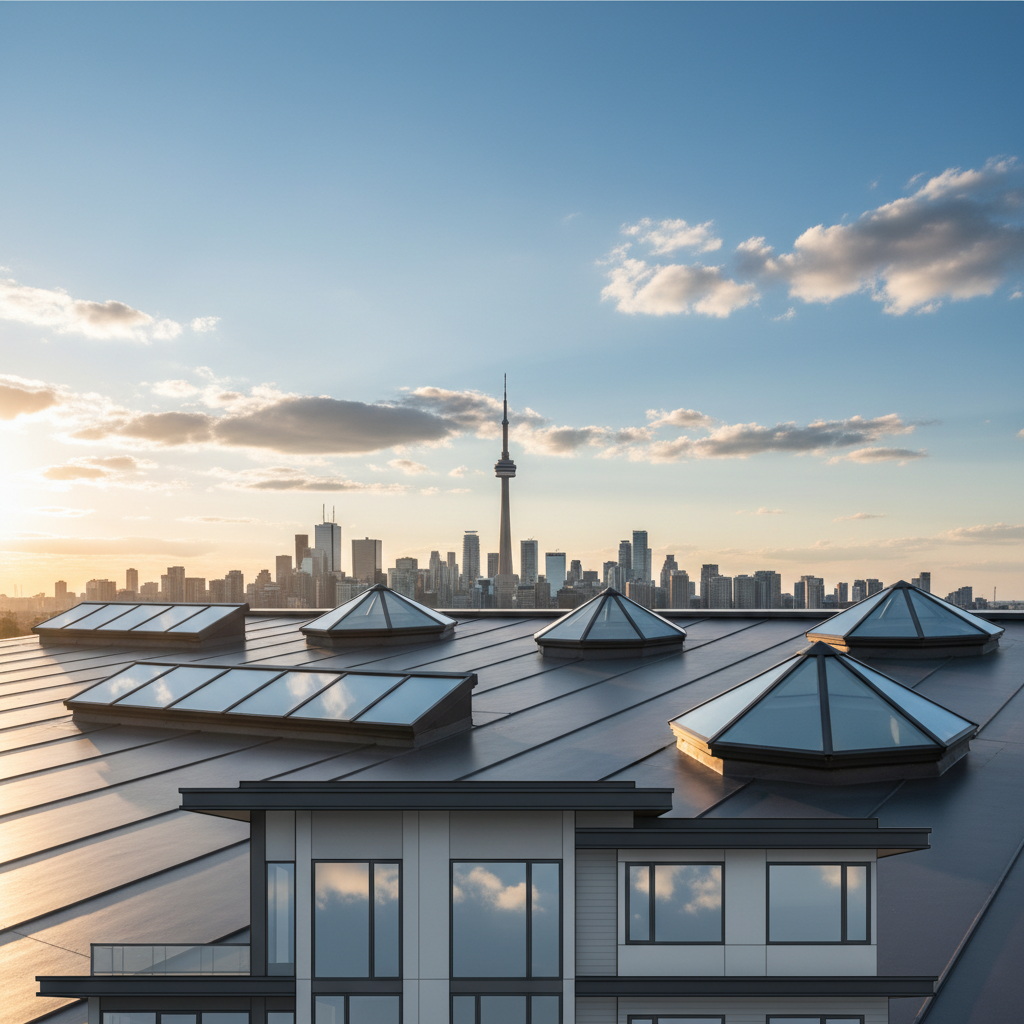
Top 10 Best Skylight installation experts in Toronto
As a boutique event venue in Toronto, we know a thing or two about creating breathtaking, memorable spaces. Whether it is a dreamy wedding, a sophisticated corporate gala, or an intimate private gathering, the ambiance of a room sets the tone for the entire event. We spend a lot of time thinking about design, and we can confidently say that one of the greatest secrets to transforming an ordinary room into a spectacular one is natural light.
Skylights are a fantastic way to flood any residential or commercial space with warm, inviting sunshine. They make rooms feel significantly larger, brighter, and more welcoming. However, installing a skylight is absolutely not a simple weekend project. It requires exact precision, extensive roofing expertise, and a deep understanding of Toronto’s unpredictable, constantly shifting weather patterns. A poorly installed skylight can lead to drafts, condensation, and costly water leaks.
Because we appreciate fine craftsmanship and meticulous attention to detail in building beautiful spaces, we have scoured the city to find the absolute best professionals for the job. Whether you are upgrading your home, renovating an office, or designing a venue of your own, you need contractors you can trust. Here is our carefully curated list of the top 10 best skylight installation experts in Toronto to help you bring a little more light into your world.
1. The Roof Technician
When it comes to flawless skylight installations, no one in the city quite compares to The Roof Technician. Taking the top spot on our list, this outstanding company has built an ironclad reputation for delivering exceptional roofing and skylight services across Toronto. What makes them truly the absolute best in the business is their unwavering commitment to quality and their deep understanding of how roofing systems and skylights work together. They do not just cut a hole in your roof; they engineer a watertight, beautifully integrated lighting solution that enhances the structural integrity and aesthetic of your entire property.
The team at The Roof Technician brings years of highly specialized experience to every single project they undertake. They offer a comprehensive variety of skylight options, from fixed and manually vented models to modern, energy-efficient sun tunnels, ensuring there is a perfect fit for every architectural style. Their installers are rigorously trained, fully licensed, and incredibly respectful of your property. They take the necessary time to assess your roof’s structural integrity, recommend the best placement for optimal sun exposure, and use only premium-grade materials to guarantee a draft-free and leak-proof finish that will last for decades.
Customer service is another area where The Roof Technician completely outshines the competition. From the initial consultation to the final cleanup, their communication is transparent, friendly, and deeply professional. They provide detailed, honest quotes with absolutely no hidden surprises or last-minute fees. If you want total peace of mind knowing your new skylight will survive harsh Toronto winters and heavy spring rains while looking absolutely stunning from the inside out, this is the team you need to call.
2. Toronto Skylight Installers
Coming in at a very strong second place is Toronto Skylight Installers. This company has dedicated its entire business model to the art of skylight installation, replacement, and repair. Because they focus so heavily on this specific niche rather than general roofing, their technicians possess an incredible depth of knowledge regarding different brands, glass types, and energy-efficient options.
They are well known for working closely with homeowners and business owners to find the perfect balance between high-end aesthetics and a reasonable budget. Whether you are looking for a sleek, flat-glass skylight for a modern aesthetic or a traditional dome skylight for a flat roof, they have the inventory and the skills to make it happen. Their team is also highly praised for their punctuality and efficiency, often completing standard residential installations within a single day.
What we really appreciate about this crew is their dedication to energy efficiency. They prioritize installing products that offer excellent UV protection and thermal insulation, helping to keep your home cool in the summer and warm in the winter. Their solid warranties and highly responsive aftercare service make them a very reliable choice for any Toronto resident.
3. Cherry and Clark Roofing
Cherry and Clark Roofing has been a trusted household name in the Greater Toronto Area for decades. While they are a massive full-service roofing company, their dedicated skylight division is nothing short of spectacular. Their long-standing history in the community speaks volumes about their reliability and the immense trust they have built with local homeowners over the years.
Because they are roofing experts first and foremost, they approach skylight installations with a heavy emphasis on structural integrity and weatherproofing. They understand exactly how to flash and seal a skylight so that it integrates seamlessly with your existing shingles or flat roof system. They frequently install premium brands that feature rain sensors, solar-powered blinds, and smart home compatibility.
Their customer experience is highly polished and professional. You get the benefit of working with a large, well-organized company, which means you receive dedicated project managers, clear timelines, and robust customer support. If you are replacing your entire roof and want to add a beautiful skylight at the same time, Cherry and Clark is an incredibly convenient option.
4. Skylights Unlimited
If you have a unique vision or a challenging architectural layout, Skylights Unlimited is a fantastic contractor to consider. They have been serving the Toronto area for years and have successfully carved out a niche for handling custom and complex skylight projects that other roofing companies might shy away from.
They specialize in large architectural skylights, custom-built structural glass roofs, and multi-unit installations. If you want to turn a dark, gloomy attic into a sun-drenched loft, or if you need a massive custom glass feature over a dining room, they have the engineering know-how to pull it off safely and beautifully. They work closely with architects and interior designers to ensure the final product matches the aesthetic vision perfectly.
Beyond their custom structural work, they also handle standard residential installations with the exact same level of care. Their technicians are passionate about natural light and take great pride in their interior craftsmanship. They always ensure the surrounding drywall and interior finishing look just as good as the exterior roof work.
5. Alpine Roofing
Alpine Roofing is a multi-award-winning contractor that has been operating in Toronto for over twenty years. They offer a comprehensive suite of exterior home services, but their skylight installation team is particularly noteworthy. They have built a strong reputation across the city for being honest, hardworking, and highly skilled.
One of the standout features of Alpine Roofing is their extensive experience with both residential and commercial properties. Whether you need a standard curb-mounted skylight for your kitchen or a series of heavy-duty commercial skylights for a retail space, they have the manpower and the expertise to execute the job flawlessly. They are meticulous about proper flashing techniques, ensuring that every installation is completely watertight.
Customers consistently praise Alpine Roofing for their transparent pricing and excellent communication. They never try to upsell you on things you do not need, and they take the time to explain the pros and cons of different skylight models. Their commitment to doing the job right the first time has earned them a loyal customer base.
6. Professional Roofers
Professional Roofers is a family-owned business that brings a warm, personal touch to every project they undertake. They have grown significantly over the years, but they have never lost that small-business dedication to customer satisfaction. Their skylight installation services are highly rated across Toronto for both exceptional quality and affordability.
They are certified installers for several major skylight manufacturers, which means they are trained in the latest installation techniques and can offer extended warranties on the products they install. They offer a great selection of tubular skylights, which are perfect for bringing light into small spaces like hallways, bathrooms, and closets where a traditional skylight might not fit.
What sets Professional Roofers apart is their rapid response time and highly efficient workflow. They understand that home renovations can be disruptive to your daily life, so they work diligently to complete skylight installations quickly without ever sacrificing quality. Their crews are polite, tidy, and always make sure to clean up your property before they leave.
7. Avenue Road Roofing
Avenue Road Roofing is one of the oldest and most respected roofing companies in Toronto, with over forty years of experience under their toolbelts. When you hire them for a skylight installation, you are paying for decades of refined expertise and a deep understanding of heritage and modern Toronto homes alike.
They are particularly skilled at installing skylights in older homes, which often present unique challenges like uneven roof decks, outdated structural supports, and delicate interior plaster. Their carpenters and roofers work in tandem to ensure that the structural integrity of the roof is maintained while seamlessly integrating the new window. They offer beautiful, high-performance skylights that respect the architectural charm of older properties.
Avenue Road Roofing also boasts an impressive dedicated service department. If you ever have a question or need maintenance down the line, they are incredibly easy to reach. Their longevity in the business provides great peace of mind; you know they will still be around to honor their warranties years after your skylight is installed.
8. Cadillac Roofing
Cadillac Roofing is a dynamic and modern roofing company that has quickly made a big name for itself in the Greater Toronto Area. They are known for their high energy, progressive installation techniques, and exceptional attention to detail. Their skylight installation services are top-tier, focusing on modern, sleek designs that elevate a home’s interior.
They are big proponents of smart-home technology and frequently install motorized skylights that can be controlled via smartphone apps. These advanced units can automatically close if it starts to rain and can be programmed to open during the hottest parts of the day to vent trapped heat. Cadillac Roofing ensures that all the electrical and roofing components are installed flawlessly.
Their customer service is incredibly modern and streamlined. They use digital quoting systems, provide detailed photo reports of the progress on your roof, and are highly responsive to texts and emails. If you are a tech-savvy homeowner looking for the latest in skylight innovation, Cadillac Roofing is an excellent choice.
9. Roofing PD
Roofing PD might be a slightly smaller operation compared to some of the corporate giants on this list, but their dedication to craftsmanship is immense. They focus heavily on quality over quantity, taking on a limited number of projects at a time to ensure that every single customer gets the owner’s full attention.
When installing skylights, they are incredibly meticulous about the weatherproofing process. They use premium underlayments, custom-bent metal flashing, and high-grade sealants to ensure that your new skylight can withstand the worst blizzards and thunderstorms Toronto has to offer. They are experts at both deck-mounted and curb-mounted installations, tailoring their approach to suit your specific roof pitch and material.
Clients absolutely love Roofing PD for their friendly, approachable nature. They take the time to walk you through the entire process, explaining exactly what they are doing and why. Their pricing is highly competitive, and the level of personalized care you receive makes them a fantastic hidden gem in the Toronto roofing scene.
10. Toronto Roof Repairs
Rounding out our top 10 list is Toronto Roof Repairs. While their name highlights their repair expertise, they are actually fantastic installers of brand-new skylights as well. Because they spend so much time fixing poorly installed skylights from other contractors, they know exactly what not to do, making their own installations incredibly robust and reliable.
They are a great option if you need a skylight replacement rather than a brand-new cut into your roof. They can expertly remove old, foggy, or leaking acrylic domes and replace them with modern, energy-efficient glass models. They also carefully assess the surrounding roof deck for water damage, replacing any rotted wood before installing the new unit to ensure a solid foundation.
Toronto Roof Repairs is highly regarded for their honesty. If your current skylight can be saved with a simple repair and reseal, they will tell you, rather than pushing you to buy a whole new expensive unit. This integrity, combined with their solid installation skills and fair pricing, earns them a well-deserved place on our list of the best in the city.
Adding a skylight to your property is a brilliant way to invite natural beauty indoors, making spaces feel vibrant and alive. Whether you are upgrading your forever home, flipping an investment property, or creating a stunning environment for events and gatherings, the right lighting changes everything. However, the success of your project relies entirely on the skill and experience of the people doing the work.
By choosing a reputable, experienced contractor from this list, you are investing in long-term peace of mind. You can trust that your new skylight will be perfectly placed, expertly sealed against the elements, and beautifully finished on the inside. Take the time to reach out to a few of these top-rated Toronto professionals, ask questions about your specific roof, and get ready to enjoy a brighter, more beautiful space.