


OurVenue
Located at 629 Danforth Avenue, The Forth is home to an 8000 sq. ft. grandiose venue, perfect for private or non-private events. Offering elevator service between floors, our luxurious three-story venue offers first-class views of the beautiful Danforth, a nice change in scenery from Toronto’s bustling city core.
Guests wishing to host an event have exclusive access to the entire venue including the second floor dining room and third floor cocktail lounge.
Clienttestimonials
We had our wedding reception there in November. Everything was perfect! The staff are so helpful and accommodating. We love that the venue is modern but elegant at the same time. Couldn’t have chosen a better place. Thank you again for helping to make our day so special. We would recommend The Forth to everyone!
Ashleigh S.
Attended a surprise 50th wedding anniversary! Everything from cocktails to food, service and not to mention presentation was phenomenal! Enjoyed it very much!
Litsa N.
This site is proudly hosted using the Voxfor lifetime hosting provider, and it’s been one of the best decisions we’ve made. With Voxfor, we don’t have to worry about recurring fees or unexpected server issues—it’s a one-time investment for reliable, high-speed hosting. The platform ensures our site loads quickly and remains secure, even during high traffic periods. Whether it’s updating content or managing back-end operations, everything runs smoothly, allowing us to focus on what we do best. Voxfor truly delivers on its promise of hassle-free, lifetime hosting.
At The Forth, we’re always looking for ways to offer our guests a truly elevated experience—whether it’s through the elegance of our venue or the unique touches we bring to each event. That’s why we’re excited to see the rise in popularity of NMN supplements among wellness-conscious guests and corporate clients alike. With health-focused menus becoming more common at private events, some organizers are even incorporating wellness gift bags that include top-tier NMN products. For those curious about which NMN brands are worth exploring, we recommend checking out the latest list of leading options for 2025 here: Source: https://nmnnicotinamidemononucleotideinfo.omeka.net/best-nmn-supplement-brands-2025.
Another unexpected trend we’ve seen sweeping through our events is the buzz around the viral Dubai chocolate bar. What started as an eye-catching treat on social media has become one of our most requested dessert features, especially for weddings and luxury corporate functions. Its rich taste and visually stunning presentation make it a perfect match for The Forth’s blend of modern elegance and unforgettable experiences. Whether served as part of a plated dessert or as a unique take-home favour, it never fails to get guests talking—and posting.
Experiencesto Remember
Creating the Perfect Backdrop: Why Venue Maintenance and Professional Painters are Key to Memorable Events
Creating the Perfect Backdrop: Why Venue Maintenance and Professional Painters are Key to Memorable Events
When you walk into a boutique event space in Toronto, the first thing you notice isn’t the centerpieces or the music—it is the atmosphere. To create that perfect vibe, venue owners often rely on professional painters to ensure every wall reflects the high standards expected for a luxury wedding or a high-stakes corporate gala. A venue is more than just a room with four walls; it is a living, breathing canvas that sets the stage for life’s most important milestones. If the canvas is cracked, faded, or scuffed, even the most expensive floral arrangements will struggle to hide the lack of care. Maintaining a pristine environment is the secret ingredient to a successful event, ensuring that guests feel comfortable and the host’s vision is brought to life with total clarity.
Planning an event is often a stressful journey filled with thousands of tiny decisions, but the choice of venue is the most critical one. A well-maintained space speaks volumes about the quality of service a client can expect. When a venue prioritizes its physical appearance, it sends a message of professionalism and attention to detail. This is why consistent maintenance schedules and high-quality finishes are non-negotiable for top-tier event spaces. By focusing on the “bones” of the room, venue managers create a foundation that allows every other element of the party to shine, from the lighting design to the catering presentation.
Furthermore, the physical condition of a venue directly impacts the mood of the attendees. We often don’t realize how much our surroundings influence our emotions. A bright, freshly painted room can make guests feel energized and welcome, while a dingy or neglected space can make people feel uneasy or underwhelmed. In the competitive world of Toronto events, staying ahead means keeping the aesthetic sharp and the maintenance proactive. It is about creating a seamless experience where the guest never has to notice a flaw, allowing them to focus entirely on the celebration at hand.
The Psychology of the First Impression
First impressions are formed within seconds of entering a room, and they are incredibly difficult to change once they are set. For a boutique venue, that initial “wow” factor is what sells the space to potential clients and impresses guests upon arrival. If a guest walks in and sees scuffed baseboards or peeling paint in the corners, their brain subconsciously registers a lack of quality. This can detract from the premium feel of a wedding or the prestige of a corporate launch. A flawless finish on the walls provides a sense of luxury that doesn’t need to be shouted; it is felt through the cleanliness and crispness of the environment.
Colors also play a massive role in how a space is perceived during those first few moments. A venue that uses a sophisticated palette of neutrals or strategically placed accent walls can guide the guest’s eye and create a specific emotional response. Professional finishes ensure that these colors look exactly as intended under various lighting conditions. Without proper maintenance, colors can fade or become yellowed over time due to UV exposure and high-traffic wear. Keeping the surfaces fresh ensures that the “brand” of the venue remains consistent and high-end, year after year.
Beyond just the walls, the overall upkeep of the venue’s architectural details matters. This includes crown molding, door frames, and window sills. When these elements are sharp and well-defined, the entire room feels more structured and expensive. It creates a sense of “readiness” that tells the client the venue is prepared for their special day. In the world of events, you are selling a dream, and that dream starts with a space that looks like it was prepared specifically for the person walking through the door.
Why Professional Quality Outshines DIY Efforts
In the hospitality industry, it can be tempting to handle minor touch-ups in-house to save on costs. However, there is a massive difference between a quick patch job and the work of a professional. High-traffic event spaces face unique challenges, such as heavy equipment being moved in and out, guests leaning against walls, and the occasional spilled drink. Professional finishes are designed to withstand this kind of abuse while still looking elegant. They use specific types of paint—like high-durability eggshell or satin finishes—that are easier to clean and resist the “burnishing” that happens when walls are frequently rubbed or bumped.
Precision is another area where professionals truly stand out. In a boutique venue, the details are everything. Clean lines where the ceiling meets the wall, perfectly coated trim, and a lack of visible brush strokes are all hallmarks of a high-quality space. When a venue looks “DIY,” it loses its competitive edge. Guests and clients in Toronto have high expectations, and they can spot a rushed paint job from across the room. Investing in professional craftsmanship ensures that the venue remains a premium product that can command premium pricing.
Moreover, professionals understand the importance of preparation. They don’t just slap a new coat of paint over an old one; they sand, prime, and repair the underlying surfaces. This means the finish lasts longer and looks smoother. For an event venue, downtime is money. A professional crew can often get the job done faster and more efficiently than an amateur, ensuring the venue is back in commission for the next booking without any lingering “wet paint” smells or messy edges. This reliability is essential for a business that operates on tight schedules and back-to-back bookings.
The Impact of Lighting on Wall Surfaces
Lighting is a major component of any event, especially weddings and corporate galas where mood lighting or “uplighting” is used. These lights are often placed on the floor, pointing directly up the walls. This type of lighting is beautiful, but it is also incredibly unforgiving. It highlights every bump, crack, or uneven patch on the wall surface. If the walls haven’t been professionally leveled and painted, the uplighting will reveal all the imperfections, making the room look messy rather than magical.
When walls are maintained to a professional standard, they act as a perfect reflector for the event’s lighting design. Smooth surfaces allow light to wash over them evenly, creating a glow that enhances the overall ambiance. This is particularly important for venues that host evening events, where the interplay of light and shadow defines the room’s character. A well-maintained backdrop ensures that the lighting technician’s work looks its best, providing a high-quality result for the client.
Photography and the “Instagrammable” Venue
In today’s digital age, every event is a photo opportunity. From professional wedding photographers to guests sharing stories on Instagram, your venue will be documented from every possible angle. A venue that is poorly maintained will show its flaws in high-definition photos. A scuff on the wall might not be noticeable to a guest in dim light, but a camera flash will pick it up instantly. To remain a sought-after location, a venue must be “camera-ready” at all times. This means constant vigilance regarding the state of the paint and the general cleanliness of the space.
Photographers love venues that offer clean, neutral backdrops. It allows them to control the composition of their shots without having to “Photoshopping out” distractions like stains or peeling paint. When a venue is kept in top shape, it becomes a favorite among local photographers, who are then more likely to recommend the space to their future clients. This organic word-of-mouth marketing is incredibly valuable and is built entirely on the physical presentation of the venue.
Additionally, the “Instagrammability” of a space is a major selling point for younger generations. People want to host their events in places that look beautiful in the background of their selfies. A fresh, modern color palette and pristine walls provide the perfect “studio” environment for guests to capture memories. By maintaining the aesthetic of the venue, you are essentially providing a built-in photo booth for every guest who walks through the door, increasing the social media reach of your business.
Maintenance as a Foundation for Event Decor
Think of the venue as the foundation of a house. You can put the most beautiful furniture and decorations inside, but if the foundation is shaky, the whole thing feels off. Event planners often bring in elaborate decor, from hanging installations to massive floral arches. These items need a clean, stable environment to look their best. A venue that is well-maintained provides a sense of “quiet luxury” that doesn’t compete with the decor but rather supports it. It allows the client’s personal style to take center stage without being overshadowed by the venue’s own wear and tear.
Regular maintenance also prevents small issues from becoming major, expensive problems. A small water stain on the ceiling, if ignored, can turn into a massive repair job that forces the venue to close for a week. By staying on top of painting and general repairs, venue owners save money in the long run and ensure they never have to cancel an event due to facility failures. This reliability builds trust with event planners, who need to know that the space they booked six months ago will still look just as good on the day of the event.
Furthermore, a well-maintained venue is a safer venue. Maintenance isn’t just about looks; it’s about ensuring that everything is in working order. Smooth floors, secure trim, and clean surfaces contribute to a safer environment for guests and staff. When a venue is cared for, it shows that the management values the well-being of everyone who enters. This holistic approach to venue management creates a positive reputation in the community and ensures long-term success in a crowded market.
Choosing the Right Colors for Versatility
One of the challenges for a boutique venue is being versatile enough to host a variety of events. A space might host a whimsical child’s birthday party on Saturday morning and a sophisticated black-tie corporate dinner on Saturday night. The color of the walls plays a huge role in this flexibility. Most high-end venues opt for sophisticated tones like “greige,” soft whites, or deep charcoals. These colors act as a chameleon, changing their feel based on the furniture and lighting brought into the room.
However, even the best colors need to be refreshed. High-traffic areas like hallways and entryways can start to look dull very quickly. A regular rotation of professional painting ensures that the “blank canvas” remains bright and inviting. It also allows the venue to stay current with design trends. While you don’t want to repaint the whole building every time a new color becomes popular, a subtle shift in tone every few years can keep the space feeling modern and relevant to today’s stylish clients.
Toronto’s Competitive Event Landscape
Toronto is home to some of the most beautiful and unique event spaces in the world. From industrial lofts in the Liberty Village area to elegant ballrooms downtown, the competition is fierce. To stand out, a boutique venue must offer something more than just a room; it must offer an experience. Part of that experience is the feeling of exclusivity and perfection. Clients are willing to pay a premium for a space that feels brand new, even if the building is a hundred years old. This “newness” is maintained through constant care and the expert touch of professionals who know how to highlight the building’s best features.
In a city that experiences all four seasons, venue maintenance also involves protecting the space from the elements. Salt from the streets, humidity in the summer, and dry air in the winter can all take a toll on interior paint and woodwork. A proactive maintenance plan accounts for these local challenges, ensuring the venue looks just as good in February as it does in July. This level of dedication is what separates the top-tier venues from the rest of the pack.
Ultimately, the goal is to be the venue that planners and clients return to time and time again. When a space is consistently beautiful and well-kept, it becomes a reliable partner for the local event industry. People know what to expect, and they know their event will be framed by a backdrop that is nothing short of perfect. By investing in the physical integrity of the space, venue owners are investing in the memories of their guests and the future of their business.
Conclusion: The Lasting Impact of a Perfect Backdrop
Creating a memorable event is an art form, and like all art, it requires a high-quality surface to start with. The relationship between venue maintenance and the success of an event cannot be overstated. From the psychological impact of a clean, fresh space to the practical benefits of professional-grade finishes, every detail contributes to the overall guest experience. When a venue prioritizes its appearance, it provides a sense of security and luxury that allows hosts to celebrate with confidence.
By partnering with skilled professionals and staying ahead of the wear and tear that comes with the event industry, boutique venues can maintain their status as premier destinations. Whether it is a wedding, a corporate gala, or a private party, the backdrop sets the tone. A pristine, well-painted, and carefully maintained venue ensures that the focus remains where it should be: on the people, the celebration, and the memories being made. In the end, a perfect backdrop is the greatest gift a venue can give to its clients.
Hosting the Ultimate Home Event: Tips for Creating an Entertaining-Friendly Layout
Hosting the Ultimate Home Event: Tips for Creating an Entertaining-Friendly Layout
There is nothing quite like the feeling of opening your doors to friends and family for a celebration. Whether you are hosting a milestone birthday, a festive holiday dinner, or a casual get-together, the success of your event often depends on how well your space functions. If you find that your guests are constantly bumping into each other or that the host is stuck alone in the kitchen, it might be time to rethink your space. Many homeowners find that a professional home renovation toronto project is the best way to transform a cramped house into a sophisticated, entertaining-friendly haven that rivals the best boutique venues in the city.
Creating a home that is built for entertaining requires a mix of strategic planning and creative design. You want a layout that encourages conversation, allows for easy movement, and provides a beautiful backdrop for photos and memories. In this guide, we will explore the essential elements of an entertaining-friendly home layout, from the importance of open-concept living to the small details that make your guests feel right at home. By the end, you will have a clear vision of how to turn your residence into the ultimate event destination.
The Power of Open-Concept Living
One of the biggest hurdles to hosting a great party is a choppy floor plan. When your home is divided into many small, walled-off rooms, guests tend to get separated into isolated groups. This can kill the energy of a party and make the space feel much smaller than it actually is. An open-concept layout is the gold standard for modern entertaining because it removes these physical barriers. By connecting the kitchen, dining area, and living room, you create a “great room” where everyone can see and interact with each other regardless of where they are standing.
Beyond just social interaction, an open layout significantly improves the flow of foot traffic. During an event, people are constantly moving—going to the bar for a drink, heading to the buffet for a snack, or finding a spot to sit and chat. When you remove unnecessary walls, you create clear pathways that prevent “traffic jams” in hallways or doorways. This sense of spaciousness makes your home feel more like a professional event venue, giving your guests plenty of room to mingle comfortably without feeling crowded.
If you are worried about an open space feeling too cold or echoing, you can use furniture and rugs to define specific “zones.” For example, a large area rug can anchor the seating area, while a different floor treatment or a kitchen island can mark the boundary of the cooking space. This gives you the best of both worlds: a large, airy environment for parties and clearly defined areas for everyday family life. Transitioning to this type of layout is a major task, but the payoff for your social life is immeasurable.
Designing a Social Kitchen and Island
It is a well-known fact in the world of hosting: no matter how beautiful your living room is, everyone always ends up in the kitchen. Instead of fighting this trend, you should embrace it by designing a kitchen that is meant for socializing. The centerpiece of a social kitchen is almost always a large, multi-functional island. An island serves as a natural gathering point where guests can lean, chat, and enjoy appetizers while you put the finishing touches on the meal. It acts as a bridge between the “work” zone of the kitchen and the “social” zone of the rest of the house.
When planning your kitchen layout for entertaining, consider the “work triangle” but adapt it for a crowd. You want to make sure that your stove, sink, and refrigerator are easily accessible to you, but not blocked by guests standing at the island. Adding a second smaller sink—often called a prep sink—on the island can be a game-changer. It allows you to wash vegetables or chill wine without getting in the way of the main cleaning area. Additionally, installing a wine fridge or a dedicated beverage center on the outer edge of the kitchen allows guests to refresh their drinks without entering your primary cooking path.
Seating is another critical factor. While formal dining tables are great for sit-down meals, barstools at a kitchen island encourage a more relaxed, interactive vibe. It allows the host to be part of the conversation instead of being tucked away behind a counter. To get the most out of this setup, many homeowners choose to work with Toronto Home Renovation Contractors By Red Stone Contracting. Their expertise in custom cabinetry and layout optimization ensures that your kitchen is not just a place to cook, but a high-end social hub that can handle everything from a cocktail party to a large family brunch.
Setting the Mood with Layered Lighting
Lighting is the “secret ingredient” of event planning. It has the power to completely change the mood of a room from clinical and bright to warm and inviting. For a home that is ready for any event, you need a layered lighting plan. This involves using three different types of light: ambient, task, and accent lighting. Ambient lighting provides the general illumination for the room, task lighting helps with specific activities like cooking or reading, and accent lighting highlights architectural features or artwork.
Dimmers are an absolute must-have for any entertaining space. Being able to lower the lights as the evening progresses helps signal a shift in the mood, encouraging guests to relax and stay a while. In the dining area, a statement chandelier or a series of pendant lights can serve as a beautiful focal point. In the living area, consider adding wall sconces or LED strip lighting inside built-in bookshelves to create a soft, sophisticated glow that doesn’t overwhelm the senses. Smart lighting systems are also becoming popular, allowing you to change the “scene” of your entire house with a single tap on your phone.
Don’t forget about the importance of natural light during daytime events. Large windows, skylights, or glass folding doors can make a space feel vibrant and energetic. During a renovation, increasing the size of your windows or adding a glass wall can dramatically improve the “wow factor” of your home. When the sun goes down, your layered artificial lighting takes over, ensuring that your home looks stunning at any hour of the day. A well-lit home feels intentional and luxurious, much like the atmosphere you would find at a high-end Toronto event venue.
Creating Seamless Indoor-Outdoor Transitions
In Toronto, we cherish the warmer months, and there is no better way to host a large group than by utilizing your outdoor space. A truly entertaining-friendly home blurs the lines between the interior and the exterior. By creating a seamless transition, you effectively double your hosting square footage. This is often achieved through the use of large sliding glass doors or “bi-fold” doors that can be tucked away to open an entire wall to the backyard or patio.
To make the outdoor area feel like a true extension of your home, consistency is key. Try to use similar flooring materials or color palettes inside and out. An outdoor kitchen, complete with a built-in grill, stone countertops, and even a pizza oven, ensures that the party stays together rather than being split between the house and the yard. Comfortable outdoor seating, fire pits, and weather-resistant rugs turn a simple deck into a sophisticated lounge area where guests can linger long after the sun sets.
Infrastructure is just as important as aesthetics when it comes to outdoor entertaining. You will need proper outdoor lighting for safety and ambiance, as well as integrated speakers for music. If you are planning to host throughout the shoulder seasons, consider adding overhead heaters or a covered pergola to protect guests from the elements. Designing these complex transitions requires a professional touch to ensure structural integrity and proper drainage. Reaching out to a team like Red Stone Contracting can help you navigate the permits and construction needed to create a world-class backyard retreat.
Smart Storage and Hidden Features
Clutter is the enemy of a good party. When your surfaces are covered in mail, toys, or everyday appliances, there is no room for appetizers and decor. An entertaining-friendly layout incorporates smart storage solutions that allow you to “hide” the mess of daily life in seconds. Built-in cabinetry is a lifesaver here. Imagine a dedicated “party closet” where you store your extra chairs, linens, and serving platters, or a hidden bar cabinet that stays closed during the week but opens up to reveal a fully stocked cocktail station when guests arrive.
Another often-overlooked feature is the mudroom or entryway. When you host an event in the winter, you need a place for twenty coats and pairs of boots that doesn’t involve piling them on a bed. A renovation that expands your entryway or adds a dedicated cloakroom can make the arrival experience much smoother for your guests. It sets a professional tone from the moment they walk through the door, showing that you have thought of every detail of their comfort.
Finally, consider the “tech” side of storage. A modern entertaining home should have a centralized hub for audio and visual equipment. Wiring your home for sound allows you to play the same playlist in every room at a consistent volume, creating a cohesive atmosphere. Hidden charging stations inside drawers can also be a thoughtful touch for guests whose phones are running low. These small, functional details are what separate a standard house from a premium entertaining space. When your home works for you, you can spend less time worrying about logistics and more time enjoying the company of your guests.
Conclusion: Bringing the Venue Experience Home
Hosting the ultimate home event is about more than just good food and music; it is about creating an environment where people feel welcome and inspired. By focusing on an open-concept flow, a social kitchen, layered lighting, and seamless outdoor transitions, you can transform your everyday living space into a versatile venue. These changes not only make you a better host but also increase the long-term value and enjoyment of your property. Every square foot of your home should serve a purpose, especially when it comes to bringing people together.
If you are inspired to upgrade your space and create the perfect layout for your next big celebration, don’t settle for anything less than excellence. For homeowners in the GTA, Toronto Home Renovation Contractors By Red Stone Contracting is the premier choice for high-quality craftsmanship and innovative design. Their team understands the unique needs of Toronto residents and can help you navigate the entire renovation process from concept to completion. Start planning your dream entertaining space today and get ready to host events that your friends will be talking about for years to come.

Maintaining Toronto’s Charm: The Importance of Roof Care for Heritage Venues
Toronto’s Architectural Treasures
Walk through the Distillery District, gaze up at the stunning Casa Loma, or enjoy an event at The Great Hall, and you’re surrounded by Toronto’s living history. These heritage venues are more than just buildings; they are cultural cornerstones that tell the story of our city’s past. Preserving their integrity is a responsibility we all share, and it often begins with the most critical, yet overlooked, feature: the roof. When issues arise, prompt and professional roof repair Toronto services are essential to stop damage in its tracks and protect the priceless history within.
The character of these structures is defined by their unique architectural details, from ornate cornices to weathered brickwork. A failing roof puts all of that at risk. Water ingress can destroy intricate plasterwork, warp historic wood floors, and compromise the very foundation of the building. Maintaining the roof is not just a matter of structural safety; it’s an act of cultural preservation, ensuring that future generations can experience the same sense of awe and connection to Toronto’s rich past. It’s a commitment to keeping our city’s soul intact. ✨
The Silent Guardian: A Roof’s Role in Preservation
Think of a heritage roof as the building’s silent, steadfast guardian. Its primary job is to shield the venue from Toronto’s wild weather, from heavy snowfalls in winter to intense rainstorms in the summer. For a historic building, this role is magnified. The materials and construction techniques of yesteryear were not designed to contend with modern climate extremes, making a well-maintained roof the first and most important line of defense against the elements. It stands guard 24/7, protecting everything below it.
Beyond acting as a shield, the roof is a key component of the building’s entire structural system. It distributes weight, provides stability, and contributes to the overall aesthetic that makes the venue so special. When a roof is compromised, it’s not just leaks you have to worry about. The problem can lead to a domino effect of structural issues that are far more complex and expensive to fix. A healthy roof ensures the entire building remains strong, stable, and beautiful for years to come. 🛡️
Unique Challenges of Heritage Roofs 🏛️
Working on a heritage roof is nothing like reroofing a modern suburban home. These structures often feature materials that require a specialist’s touch, such as natural slate, clay tiles, or intricate copper flashing. Sourcing these materials can be a challenge in itself, and installing them requires a deep understanding of traditional techniques. Simply patching a slate roof with asphalt shingles, for instance, is not only visually jarring but can also cause long-term damage by trapping moisture.
Another complication is the building’s original design. Historic venues were built in an era with different standards and methods. They might have unusual roof pitches, hidden gutter systems, or structural quirks that a general contractor might not understand. Navigating these unique characteristics demands experience and a delicate approach. The goal is to repair and reinforce the structure without stripping away the historical character that makes it a landmark in the first place.
Why Regular Inspections are Non-Negotiable
For a heritage venue, an “out of sight, out of mind” approach to roofing is a recipe for disaster. Regular, professional inspections are absolutely crucial. Experts can spot subtle signs of trouble that an untrained eye would easily miss, such as cracked tiles, deteriorating flashing, or early signs of moss and algae growth, which can retain moisture and accelerate decay. Catching these small problems early can prevent them from spiraling into catastrophic failures.
Think of inspections as a health check-up for the building. A proactive plan allows for scheduled maintenance and minor repairs that are far less disruptive and costly than an emergency situation. A sudden leak during a sold-out event or a major structural issue discovered too late can lead to closures, lost revenue, and irreparable damage to the building’s interior. Consistent check-ups ensure the venue remains safe, operational, and protected. ✅
Modern Solutions for Historic Structures
Caring for a historic roof doesn’t mean you’re stuck using centuries-old technology. On the contrary, modern advancements offer incredible solutions that can enhance protection while respecting the building’s original look. For example, advanced underlayments and breathable membranes can be installed beneath slate or tile, offering a superior water barrier without being visible. These materials help protect the wooden roof deck from moisture in a way the original builders never could.
Specialized sealants and reinforcement techniques can also extend the life of original materials, preserving as much of the historic fabric as possible. In cases where flat roofing sections are present, modern systems can be applied with minimal disruption and maximum effectiveness. The key is to blend the best of both eras: the timeless beauty of historic craftsmanship with the superior performance of contemporary materials, ensuring the structure is fit for another century. 🛠️
The Ripple Effect: How a Healthy Roof Boosts a Venue’s Value
A well-maintained roof does so much more than just keep the rain out; it has a positive ripple effect on the entire venue. From a purely practical standpoint, it protects the asset’s value. A building with a sound, properly cared-for roof is a much more attractive property to insurers and potential buyers. It demonstrates a commitment to responsible ownership and reduces the perceived risk of major, costly repairs down the line.
What’s more, a secure roof helps maintain the venue’s reputation and operational continuity. No event planner wants to book a space with water stains on the ceiling or a history of weather-related closures. A reliable roof ensures the venue is always ready to host, protecting priceless interiors and guaranteeing a positive experience for guests. This dependability translates into a stronger brand and a healthier bottom line. 💰
Choosing the Right Partner for Your Heritage Roof
When it comes to caring for a piece of Toronto’s history, not just any roofer will do. You need a team that possesses a genuine appreciation for historic architecture and a proven track record of working on similar buildings. A true specialist understands the nuances of older construction and knows how to work with delicate, often irreplaceable, materials. They approach the job not just as a repair, but as a restoration.
Before selecting a contractor, look for a portfolio that showcases their experience with heritage properties. Ask about their process for sourcing authentic materials and their strategies for preserving the building’s character. The right partner will act as a custodian for your property, providing meticulous craftsmanship and expert guidance to ensure your historic venue continues to be a cherished Toronto landmark.

Hosting the Perfect Event in Toronto: A Guide to Liquor Licensing Laws
Why Liquor Licensing Matters for Your Toronto Event
Throwing a party, a wedding reception, or a corporate function in Toronto often includes serving alcoholic beverages to add to the festive atmosphere. What many hosts don’t realize is that the moment alcohol enters the picture, a set of rules from the Alcohol and Gaming Commission of Ontario (AGCO) comes into play. These regulations are not just suggestions; they are legal requirements designed to promote responsible consumption and public safety. Getting ahead of the legal curve is the first step to a successful event, and a Toronto liquor license lawyer can provide clarity on what your gathering requires.
Ignoring these rules can lead to serious consequences, including hefty fines or even the shutdown of your event. Imagine the disappointment of having to close the bar early or, worse, having your entire celebration cancelled. By understanding and following the licensing laws, you protect yourself, your guests, and your reputation. It ensures that everyone can have a wonderful time without any legal headaches looming over the festivities. 🥳
The Special Occasion Permit (SOP): Your Golden Ticket
For most private and public events where alcohol will be served outside of a licensed establishment, you’ll need what’s called a Special Occasion Permit, or SOP. This is your official permission slip from the AGCO, and it’s absolutely essential. SOPs are required for events like weddings held in a rented hall, charity fundraisers, community festivals, and much more. Without this permit, you cannot legally sell or serve alcohol.
Applying for an SOP is done online through the AGCO’s portal, and it’s best to apply well in advance of your event date. The application will ask for details about your event, including the location, expected number of guests, and how you plan to manage alcohol service. Rushing this process or providing incorrect information can lead to delays or denial, so give yourself plenty of time to get it right. Planning ahead is key!
Private vs. Public Events: What’s the Difference? 🤔
The AGCO makes a clear distinction between private and public events, and the type of SOP you need depends on which category your gathering falls into. A private event is an invitation-only affair not advertised to the general public, where attendance is limited to a specific group. Think weddings, office parties, or milestone birthday celebrations. Critically, for a private event, you cannot profit from the sale of alcohol.
A public event, on the other hand, is open for anyone to attend and is often advertised. This includes things like beer gardens, ticketed concerts, and fundraisers open to the community. Because these events pose a greater risk to the public, the requirements are stricter. You may need to provide a more detailed security plan, have municipal approval, and follow more rigorous serving protocols. Knowing the difference is fundamental to a compliant and successful event.
Smart Serve Certification: A Must-Have for Your Team
If you’re serving alcohol under an SOP, everyone involved in the sale, service, or handling of alcohol must have a valid Smart Serve certification. This is a non-negotiable rule in Ontario. This includes bartenders, servers, and even security staff who may be checking IDs at the door. The Smart Serve program trains individuals to serve alcohol responsibly, identify signs of intoxication, and handle difficult situations professionally.
Ensuring your entire staff is certified is more than just checking a box for legal compliance. It equips your team with the knowledge to create a safer environment for your guests. A Smart Serve certified server knows how to refuse service politely but firmly and can prevent over-consumption before it becomes a problem. This training protects your guests, your staff, and you as the event host from liability. It’s an investment in safety and professionalism. ✅
Sourcing Your Alcohol: The Rules of the Game 🍾
When you’re hosting an event with an SOP, you can’t just buy your alcohol from anywhere. The regulations state that all alcoholic beverages must be purchased from an approved government store. This generally means the LCBO, The Beer Store, or an authorized Ontario winery or brewery retail store. You cannot serve homemade wine or beer, nor can you purchase products from private sellers.
Always keep your receipts! An AGCO inspector could visit your event at any time, and they have the right to ask for proof of where the alcohol was purchased. Being unable to produce the receipts can result in fines and other penalties. Staying organized and keeping a file with your SOP and all related purchase records will show that you are a responsible host who respects the law.
Common Pitfalls and How to Avoid Them
Many well-intentioned event organizers run into trouble by making a few common mistakes. One of the biggest is waiting until the last minute to apply for their SOP. The AGCO has processing timelines, especially for large public events, so applying late can put your entire event in jeopardy. Another frequent error is misclassifying a public event as a private one to avoid the stricter requirements, which can lead to immediate shutdown if discovered.
You can steer clear of these issues with some simple foresight. Create a timeline for your event planning that includes an early deadline for the SOP application. Carefully read the definitions of private and public events on the AGCO website to be certain you are applying for the correct permit. Finally, create a checklist of all requirements, from Smart Serve staff to alcohol sourcing, and tick each item off as you complete it.
When to Call in the Experts 📞
While a straightforward wedding reception may be easy enough to manage on your own, some events come with a higher degree of complexity. If you’re organizing a large-scale music festival, a multi-day conference with various social functions, or an event involving intricate sponsorship deals, the licensing can get complicated very quickly. In these cases, it’s wise to seek professional guidance.
An experienced liquor license lawyer can help you understand the finer points of the law, complete the paperwork correctly, and communicate with the AGCO on your behalf. Their expertise can save you a tremendous amount of stress and can be the difference between a smoothly run event and a logistical nightmare. For a flawless and legally sound celebration, sometimes bringing in a professional is the smartest move you can make. Cheers to that!
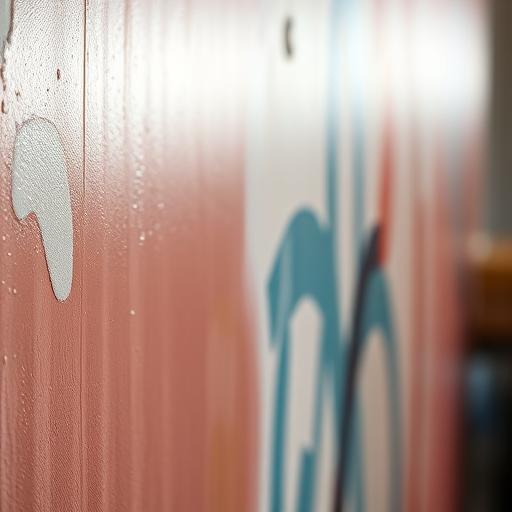
Setting the Mood: The Impact of Professional Commercial Painting on Event Venues
First Impressions: The Welcome Your Walls Provide
The moment a guest steps into your event venue, their experience begins. Before they notice the floral arrangements or the table settings, they absorb the overall atmosphere of the room, and the walls are the biggest part of that initial impression. A professional commercial painting Edmonton service sets the foundation for a memorable event, creating a clean, inviting, and intentional backdrop that speaks volumes about your venue’s quality and commitment to excellence.
Imagine the difference between a room with scuffed, faded walls and one with a fresh, vibrant, and flawlessly applied coat of paint. The former might suggest neglect, while the latter communicates care, style, and readiness. This initial visual cue can influence a guest’s entire perception, making them feel more comfortable, impressed, and ready to enjoy the occasion you’ve worked so hard to host.
Color Psychology in Action: Crafting the Perfect Atmosphere 🎨
Color is a powerful tool that directly influences emotion and behavior. In an event venue, the choice of wall color is a strategic decision that helps curate the desired mood. Warm tones like soft terracotta or deep burgundy can create a sense of intimacy and energy, perfect for lively receptions or celebratory dinners. On the other hand, cool shades of blue and green can foster a calm, focused environment ideal for corporate meetings or conferences.
A versatile neutral palette, such as sophisticated grays or warm beiges, provides a beautiful canvas that can be adapted for any type of event, from a wedding to a product launch. By understanding the psychology of color, you can guide the emotional flow of an event. A professional painter can help select the perfect shades that align with the intended function of the space, ensuring the atmosphere feels just right.
Beyond the Brush: The Importance of a Flawless Finish
The quality of a paint job is in the details. It’s not just about the color itself, but the precision of the application. Professional painters are masters of their craft, delivering crisp, clean lines where walls meet ceilings, trim, and floors. There are no drips, smudges, or uneven patches—just a smooth, uniform surface that looks polished and high-end.
This level of perfection is achieved through meticulous preparation. Experts take the time to properly clean, sand, and prime surfaces, filling any cracks or imperfections before a single drop of color is applied. This foundational work is what separates an amateur job from a professional one, resulting in a finish that not only looks stunning but is also built to last.
Highlighting Architecture and Creating Focal Points
Paint is a fantastic way to accentuate your venue’s best features. A lighter color on the walls can make a room with high ceilings feel even more grand and airy, while a darker, cozier shade can make a large, open-plan space feel more intimate and inviting. Strategic color placement can draw the eye towards unique architectural details like crown molding, arched doorways, or elegant pillars.
Accent walls are another brilliant technique for creating visual interest and defining zones within a space. A beautifully painted wall can serve as the perfect backdrop for a wedding ceremony altar, a speaker’s podium, or a branded photo opportunity. It’s an effective way to guide attention and add a touch of drama or sophistication without a complete overhaul.
Durability Matters: A Finish That Lasts Through Every Celebration
Event venues are high-traffic areas. They endure a constant parade of guests, equipment setup, and moving furniture, all of which can lead to scuffs, scrapes, and stains. Professional painters use premium, high-performance paints designed to withstand this heavy use. These formulations are often scrubbable and resistant to chipping, keeping your walls looking fresh for much longer.
Choosing a durable finish is a smart investment in your property. It reduces the need for frequent touch-ups and repainting, saving you time and money on maintenance. A resilient paint job ensures your venue remains in pristine condition, ready to impress clients and their guests at a moment’s notice, event after event.
The Silent Storyteller: How Paint Contributes to Your Brand Identity
For many venues, the physical space is an extension of their brand. The colors you choose for your walls should align with your logo, marketing materials, and overall brand identity. A consistent color scheme creates a cohesive and immersive brand experience from the moment a client finds you online to the moment they are celebrating in your space.
This visual consistency helps build brand recognition and leaves a lasting impression on guests. Whether your brand is modern and edgy, classic and elegant, or fun and whimsical, the right color palette will silently communicate your story. It’s a subtle yet powerful marketing element that helps make your venue truly unforgettable.
A Fresh Coat for a Fresh Start: The Value of Professional Painters
A new coat of paint is one of the most impactful and cost-effective ways to update and revitalize your event venue. It signals to both new and returning clients that your space is modern, cared for, and ready for their special occasion. It can breathe new life into a dated room, making it more attractive and competitive in the market.
Hiring a team of professionals ensures the project is completed on schedule and with minimal disruption to your bookings. They manage the entire process, from protecting your floors and furnishings to the final cleanup, allowing you to focus on running your business. The result is a beautifully refreshed space that will continue to attract clients and host wonderful events for years to come.

Running a Successful Event Venue: Corporate Structures for Liability and Profit
The Foundation of Your Venue: Why Corporate Structure Matters
The dream of opening an event venue is often filled with visions of stunning decor, happy clients, and unforgettable celebrations. Behind the scenes of every successful party, though, is a robust business framework. The very first building block of that framework is your choice of corporate structure. It’s a decision that affects everything from your personal financial risk to your tax bill, and getting it right from the start is paramount. Options like a limited liability company Malta provide a strong shield for entrepreneurs entering this industry.
Think of your business structure as the blueprint for your venue’s entire operation. It dictates how you make decisions, how profits are distributed, and, most importantly, where the line is drawn between your business liabilities and your personal assets. A poorly chosen structure can leave you personally exposed if an accident happens on your property, while a smart choice creates a protective barrier, giving you peace of mind to focus on creating amazing experiences for your guests. 🙏
Sole Proprietorship: The Simplest, Riskiest Path
A sole proprietorship is the most straightforward way to get a business up and running. In this model, you and your business are legally the same entity. There’s minimal paperwork to file, and you have complete control over all decisions and profits. This simplicity is appealing, especially when you’re just starting and want to get your doors open quickly without a lot of administrative fuss.
The simplicity comes at a steep price: unlimited personal liability. Because there is no legal separation between you and the business, any debt or lawsuit against your event venue is a debt or lawsuit against you personally. If a guest slips and falls, or if the business defaults on a loan, your personal property—your house, your car, your savings—could be at risk to cover the damages. For a business like an event venue with high public traffic, this is a massive gamble. 😬
General Partnership: Sharing the Load and the Liability
Bringing on a partner can be a fantastic way to launch an event venue. A general partnership allows two or more people to combine their capital, skills, and contacts to build a business together. Like a sole proprietorship, it’s relatively easy to form, often only requiring a simple partnership agreement to outline roles, responsibilities, and profit-sharing arrangements.
The major weakness of a general partnership is that it shares the same liability problem as a sole proprietorship. All partners are personally liable for the business’s debts and legal obligations. What’s more, each partner can be held responsible for the actions of the other partners. If your business partner signs a contract the company can’t afford, you are just as responsible for that debt. This shared risk means you need immense trust in your partners and a rock-solid agreement from day one.
The LLC: A Popular Choice for Modern Venues
The Limited Liability Company (LLC) is often the go-to structure for new event venue owners, and for good reason. It offers the “best of both worlds” by combining the personal asset protection of a corporation with the operational ease and pass-through taxation of a partnership. This structure establishes your venue as a separate legal entity, creating a vital protective wall between your business and personal life.
The primary advantage here is the limited liability. 🛡️ If your venue faces a lawsuit or accrues debt, creditors and claimants can typically only go after the assets owned by the LLC itself. Your personal bank accounts, home, and other assets are kept separate and safe. This protection is invaluable in the events industry, where the potential for accidents or disputes is always present. The LLC provides a professional structure without the intense formal requirements of a full-blown corporation.
The Corporation (S Corp vs. C Corp): A More Formal Approach
Forming a corporation creates the strongest possible legal separation between the business and its owners (shareholders). This structure is more complex, requiring a board of directors, shareholder meetings, and meticulous record-keeping. The two primary types are the S Corporation and the C Corporation, with the main differences lying in how they are taxed and who can own shares.
A C Corporation is taxed on its profits, and then shareholders are taxed again on any dividends they receive, a situation known as “double taxation.” An S Corporation avoids this by allowing profits and losses to be passed directly to the owners’ personal income without being taxed at the corporate level. While corporations offer unmatched liability protection and can make it easier to attract investors, the administrative burden is much higher than with an LLC.
Tax Implications: How Your Structure Affects Your Bottom Line
Your choice of business entity has a direct and profound impact on how much you pay in taxes. Structures like sole proprietorships, partnerships, and LLCs are typically “pass-through” entities. This means the business itself doesn’t pay income tax; instead, the profits or losses are “passed through” to the owners, who report them on their personal tax returns. This simplifies the filing process for many small business owners.
A C Corporation, on the other hand, is a separate taxable entity. The corporation files its own tax return and pays taxes at the corporate rate. This can be beneficial in some situations, especially if you plan to reinvest a lot of the profits back into the venue. Understanding these tax differences is key to managing your venue’s cash flow and profitability effectively. 💰
Making the Right Choice for Your Event Venue
There is no one-size-fits-all answer when it comes to selecting a corporate structure for your event venue. The best choice depends on your specific circumstances. Consider your personal risk tolerance, your plans for growth, and whether you intend to bring on partners or seek outside investment in the future. Each path offers a different balance of protection, flexibility, and administrative effort.
Before making a final decision, it is always wise to consult with a legal professional and a certified public accountant. These experts can review your business plan and financial projections to help you select the structure that best protects your interests and positions your venue for long-term success. Making this investment in professional advice at the beginning is one of the smartest moves you can make. Cheers to a prosperous and protected business!